White-Label Trading Platform Guide: Everything You Need to Know
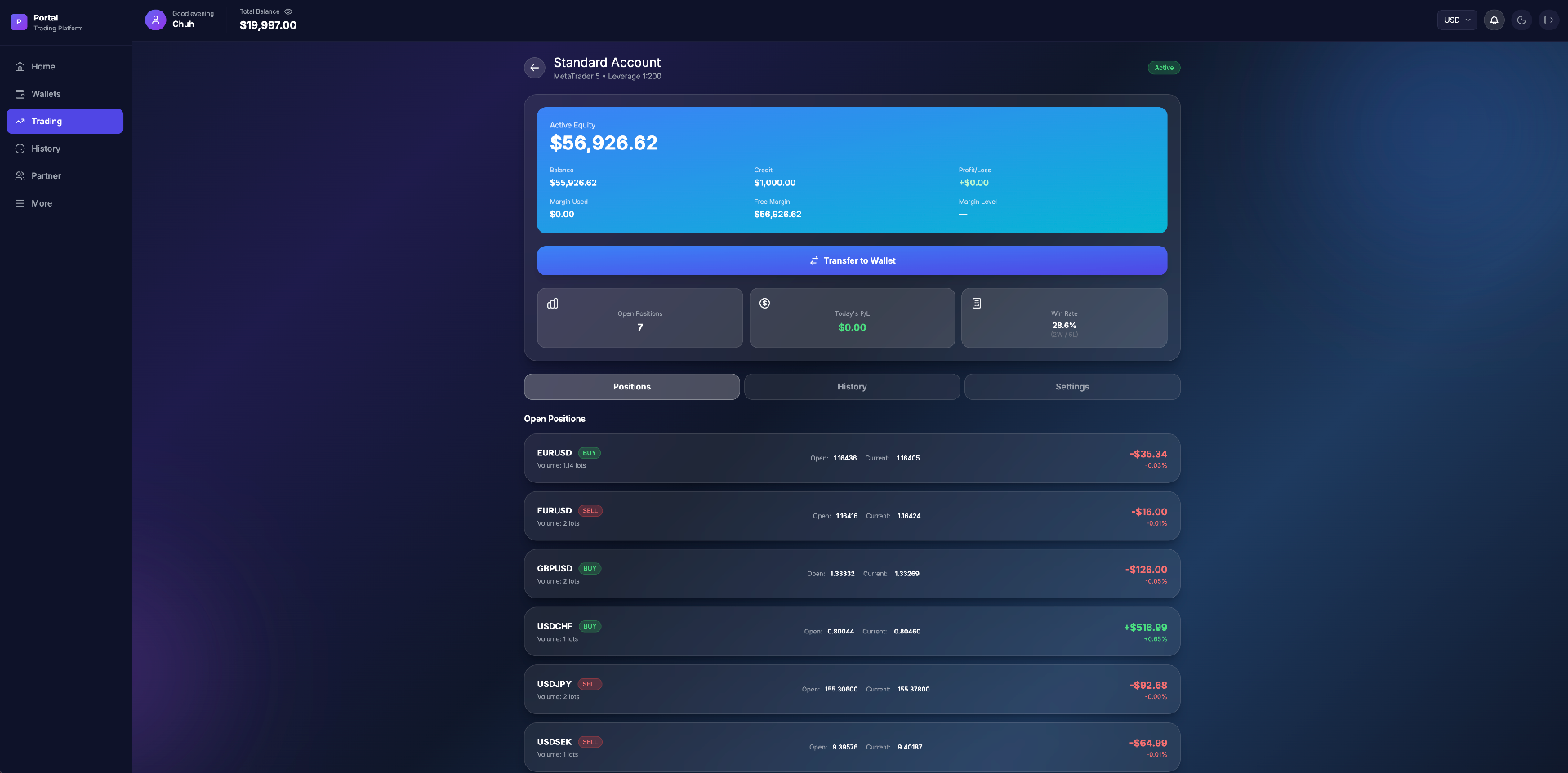
The Complete White-Label Trading Platform Guide
White-label trading platforms have revolutionized how brokerages launch and operate. This comprehensive guide covers everything you need to know about white-label solutions in 2025.
What is a White-Label Trading Platform?
A white-label trading platform is a ready-made software solution that you can rebrand and customize as your own. It includes:
• Trading platform - Where clients execute trades
• Back-office systems - Operational management tools
• Client portal - Self-service interface for traders
• Partner management - IB and affiliate tools
• Compliance tools - KYC, AML, and reporting
Benefits of White-Label Solutions
1. Speed to Market
• Launch in weeks, not years
• Pre-built, tested infrastructure
• Immediate operational capability
2. Cost Efficiency
• No development team required
• Predictable monthly costs
• Shared infrastructure benefits
3. Proven Technology
• Battle-tested systems
• Continuous updates included
• Security best practices
4. Focus on Business
• Concentrate on growth
• No technical maintenance burden
• Scale without technical constraints
Key Components of a White-Label Solution
Trading Engine
The core of any platform:
• Order execution
• Price feed integration
• Position management
• Risk controls
Admin Dashboard
Your operational command center:
• Client management
• Account operations
• Reporting and analytics
• Configuration tools
Client-Facing Portal
The trader experience:
• Registration and onboarding
• Account funding
• Trading interface
• Support access
API Layer
For integrations and extensions:
• Payment gateways
• Third-party services
• Custom development
• Mobile applications
Choosing the Right White-Label Provider
Essential Criteria
#### Technology Quality
• Modern architecture
• Reliable uptime (99.9%+)
• Fast execution
• Mobile-ready
#### Customization Options
• Branding flexibility
• Feature configuration
• Workflow customization
• UI/UX modifications
#### Integration Capabilities
• Liquidity providers
• Payment processors
• KYC services
• Trading platforms (MT4/MT5, cTrader)
#### Support and Service
• Implementation assistance
• Technical support
• Training resources
• Account management
Questions to Ask Providers
1. What is the implementation timeline?
2. How much customization is possible without code?
3. What integrations are pre-built?
4. How is pricing structured?
5. What support is included?
6. How often is the platform updated?
7. What is the uptime guarantee?
8. Can I see references from similar brokers?
Implementation Process
Phase 1: Discovery (1-2 weeks)
• Requirements gathering
• Configuration planning
• Integration mapping
• Timeline finalization
Phase 2: Configuration (2-4 weeks)
• Branding customization
• Feature setup
• Integration configuration
• User role definition
Phase 3: Testing (1-2 weeks)
• Functional testing
• User acceptance testing
• Performance testing
• Security review
Phase 4: Launch (1 week)
• Data migration
• Go-live preparation
• Staff training
• Monitoring setup
Total Cost Considerations
One-Time Costs
• Setup and implementation
• Initial customization
• Integration development
• Training
Ongoing Costs
• Monthly platform fees
• Support and maintenance
• Transaction-based fees
• Infrastructure costs
Hidden Costs to Watch
• Customization requests
• Additional integrations
• Overage charges
• Contract exit fees
White-Label vs Build vs Buy
| Factor | White-Label | Custom Build | Acquire Existing |
|--------|-------------|--------------|------------------|
| Time to Market | Fast | Slow | Medium |
| Upfront Cost | Low | Very High | High |
| Ongoing Cost | Medium | High | Medium |
| Customization | Medium-High | Complete | Limited |
| Risk | Low | High | Medium |
Future-Proofing Your Choice
Look for Providers That Offer:
• Regular feature updates
• Technology modernization
• Regulatory compliance updates
• Scalability for growth
• New integration capabilities
Avoid Providers That:
• Use outdated technology
• Have limited update schedules
• Lack integration flexibility
• Cannot scale with your growth
Conclusion
White-label trading platforms offer the optimal balance of speed, cost, and capability for most brokerages. The key is selecting a provider that aligns with your business goals and offers the flexibility to grow.
Ready to explore white-label options? [Book a demo](/contact) with Finovex to see how our platform can accelerate your brokerage launch.
Ready to transform your brokerage?
See how Finovex can help you launch faster with enterprise-grade infrastructure.
Request a Demo